

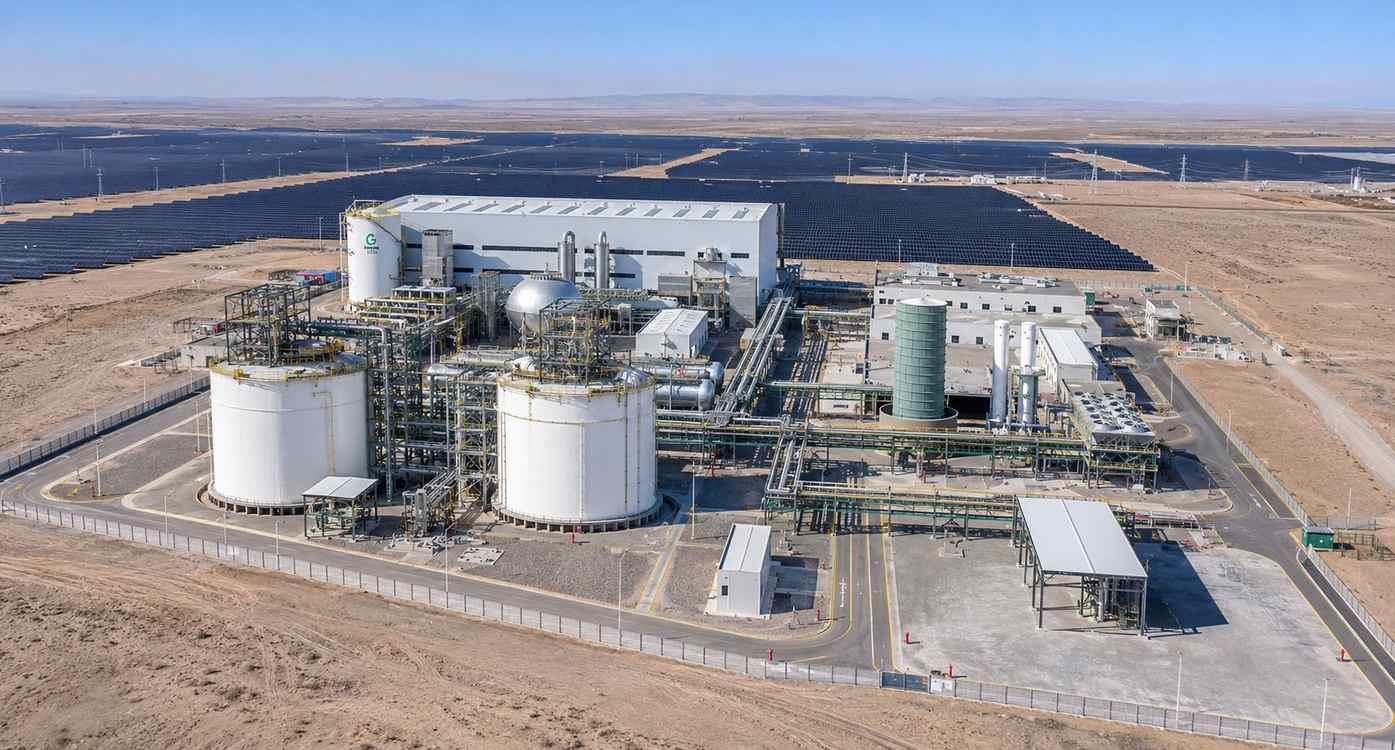
The world’s largest demonstration plant for a new kind of renewable energy storage is up and running in the west of the China. Called liquid-air energy storage (LAES) the plant uses renewable electricity to compress air to extreme densities until it turns to liquid. It can then be rapidly released to power a turbine and discharge that green energy back into the grid.
That is all besides the point though in a process where H2 is both produced and consumed, as long as that process is competitive with other storage solutions. It appears it isn’t, even compared to air compression, as I found out in the meanwhile. However there is no technological reason why one would need some carbon source for producing H2. Electrolysis from water is a well established process.
I wouldn’t produce 1g silver when I produce 1g gold in the process, I make more money with the gold,. Thats why it isn’t competitive.
efficiency of green hydrogen is low and storage of it is hard, fuel cell efficiency is also low I think it ends up with about a 20% efficiency but don’t quote me on that. Also you’d like to sell it to the industry anyways. But they take it from cheap gray sources right now so whatever.
The scales of electrolysis aren’t as big yet (maybe now idk, but 2-3 years ago they weren’t), compared to methane processes. They also don’t produce their own energy, they take energy instead! (Get 2 H2 from CH4 and burn the C to CO2, compared to electrolysis which takes energy)
If it were competitive to run that process for storage, H2 prices would take a dive. H2 prices are just a symptom, not the cause for H2 being not competitive for storage.
Fuel cell efficiency is certainly not commonly as low as 20%. As far as I understand it is commonly 40-60%.
Electrolysis requiring energy is the whole point of a storage technology.