

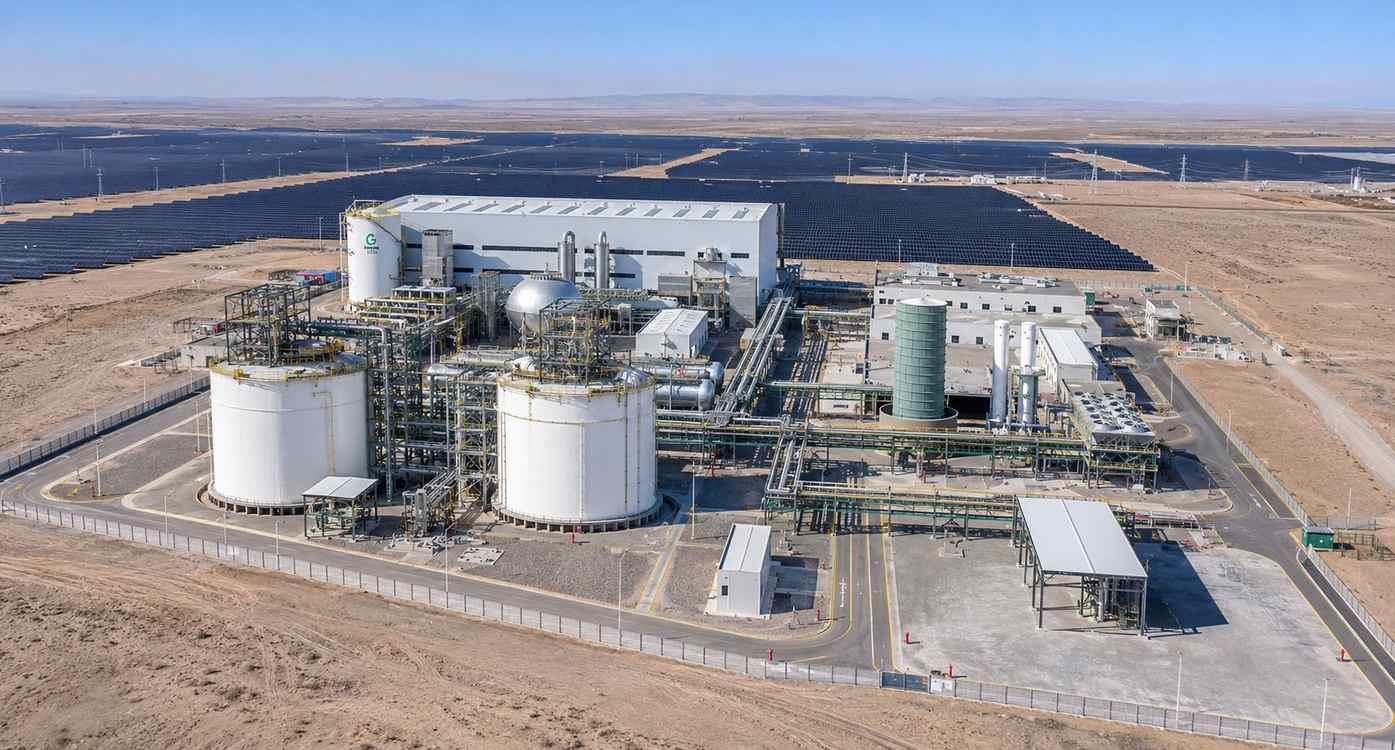
The world’s largest demonstration plant for a new kind of renewable energy storage is up and running in the west of the China. Called liquid-air energy storage (LAES) the plant uses renewable electricity to compress air to extreme densities until it turns to liquid. It can then be rapidly released to power a turbine and discharge that green energy back into the grid.
If it were competitive to run that process for storage, H2 prices would take a dive. H2 prices are just a symptom, not the cause for H2 being not competitive for storage.
Fuel cell efficiency is certainly not commonly as low as 20%. As far as I understand it is commonly 40-60%.
Electrolysis requiring energy is the whole point of a storage technology.
Here your source. Well you were talking about H2 being the efficient option. There is energy efficiency, volumetric efficiency, life cycle (in the sense of how long does the plant last, wind turbines last for 20-25 years, how sustainable are the resources and are they recyclable), even plant space needed.
As it stands now H2 prices need to go up for it to make green H2 competitive. Idk what you are on about, milk prices are a symptom of farmers wanting enough compensation for their work, that’s why you find milk for different prices depending on the form of agriculture. More land for the cow and organic will mean its more expensive, you can’t make this any more competitive because it isn’t. Grey H2 also produces energy in production and you can’t compete with that, hence the price of H2 needs to go up e.g. via CO2 tax.
Storage storing energy is indeed the point of it, but the question is also how much money do you want to pay for the energy? Did you buy any oil recently?