My experience with taste, as a sommelier, is that the regular customer is not really good at discerning tastes. They are good at rehashing what thinks ought to be, though.
For instance the pasta carbonara is a wild ride from a reasonably flexible original idea with parsley and pancetta, to ideologues who say only five ingredients make a carbonara.
Even though the pasta carbonara is really recent in history, people make it up to be the biggest deal in culinary history.
Most carbonara recipe are great, most people wouldn’t take the difference. But most people do somehow cling to weird standards
I totally agree that the average customer is inconsistent with their ability to discern taste from one to another, but would argue that if a restaurant, especially a limited offering restaurant, had spent years establishing consistency a major shake up would be noticed. They have enough memory to notice “this isn’t it”. I’ve seen plenty of well established owner/operator restaurants sell their brand when they retire and tank in under 6mo because the new owner thinks that the name and recipes are enough then fires the seasoned staff to hire cheaper labor. While recipes should be enough, following A-Z does not guarantee you get something like what they do remember.
Now, please correct me if I’m mistaken, but don’t wines from the same vineyard have degrees of tolerable variance year to year even if the goal is consistency because weather can affect the grapes. I’m sure a winemaker can take that into account when producing and adjust as needed, but they are still limited by how early in the process that occurs; they won’t know if they got it until the wine is ready. Food prep is usually rapid turnover from product arrival to service. Your produce might vary in base flavor, but that’s where the skill comes in. The night of service you can add a tablespoon of salt when the normal recipe calls for a teaspoon.
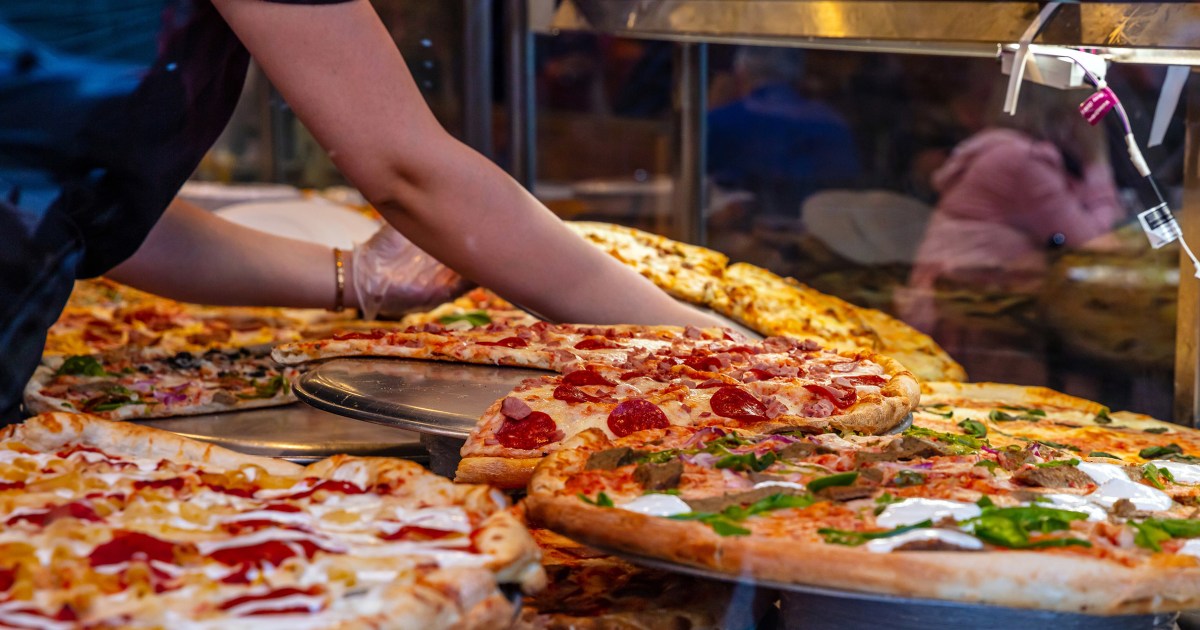
The real kicker is the crust. People might not be as attuned to discrete flavor changes but they notice when something they’re used too feel wrong in their mouth; too doughy, too chewy, missing that crackle. Again, not as familiar with wine, but do you think clients who are invested in a specific vineyard’s offering would notice if suddenly the new bottle tasted as expected but the body was too thick or too watery?


My experience with taste, as a sommelier, is that the regular customer is not really good at discerning tastes. They are good at rehashing what thinks ought to be, though.
For instance the pasta carbonara is a wild ride from a reasonably flexible original idea with parsley and pancetta, to ideologues who say only five ingredients make a carbonara.
Even though the pasta carbonara is really recent in history, people make it up to be the biggest deal in culinary history.
Most carbonara recipe are great, most people wouldn’t take the difference. But most people do somehow cling to weird standards
I totally agree that the average customer is inconsistent with their ability to discern taste from one to another, but would argue that if a restaurant, especially a limited offering restaurant, had spent years establishing consistency a major shake up would be noticed. They have enough memory to notice “this isn’t it”. I’ve seen plenty of well established owner/operator restaurants sell their brand when they retire and tank in under 6mo because the new owner thinks that the name and recipes are enough then fires the seasoned staff to hire cheaper labor. While recipes should be enough, following A-Z does not guarantee you get something like what they do remember.
Now, please correct me if I’m mistaken, but don’t wines from the same vineyard have degrees of tolerable variance year to year even if the goal is consistency because weather can affect the grapes. I’m sure a winemaker can take that into account when producing and adjust as needed, but they are still limited by how early in the process that occurs; they won’t know if they got it until the wine is ready. Food prep is usually rapid turnover from product arrival to service. Your produce might vary in base flavor, but that’s where the skill comes in. The night of service you can add a tablespoon of salt when the normal recipe calls for a teaspoon.
The real kicker is the crust. People might not be as attuned to discrete flavor changes but they notice when something they’re used too feel wrong in their mouth; too doughy, too chewy, missing that crackle. Again, not as familiar with wine, but do you think clients who are invested in a specific vineyard’s offering would notice if suddenly the new bottle tasted as expected but the body was too thick or too watery?