

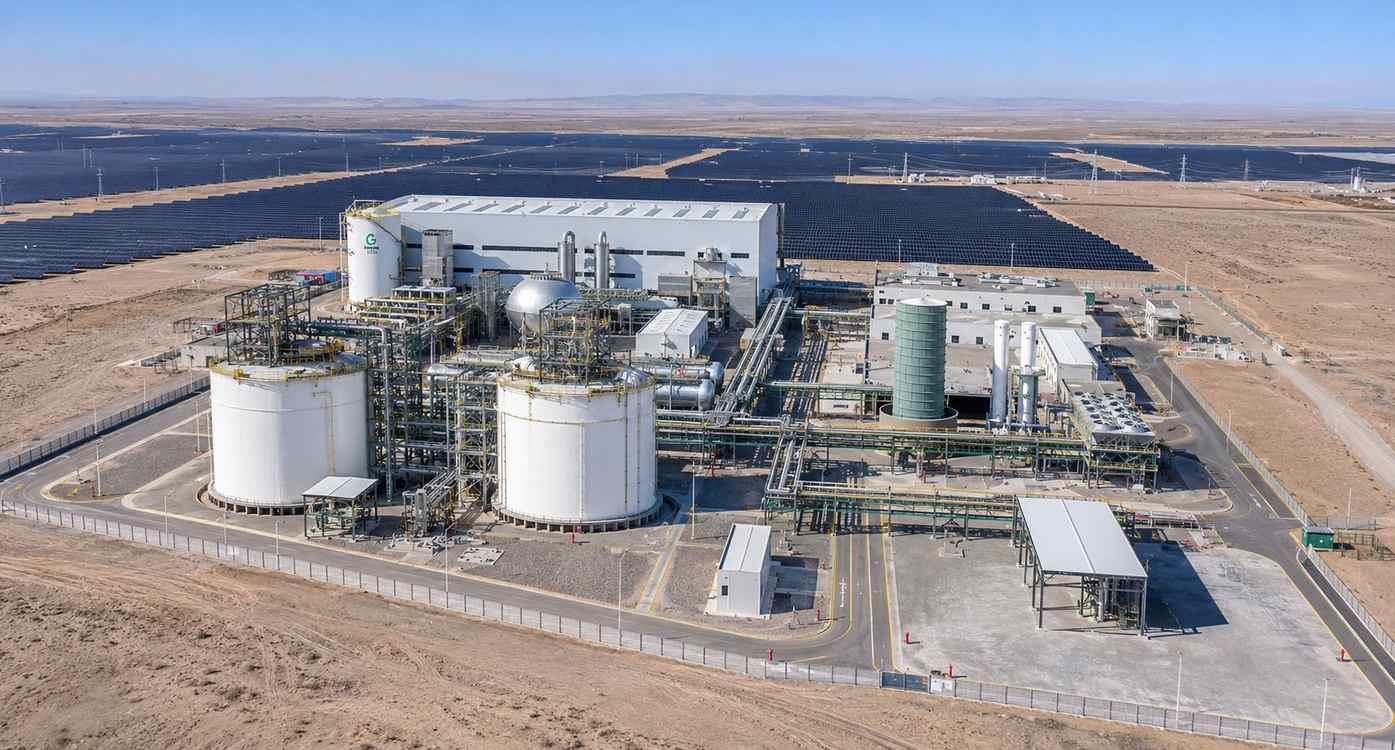
The world’s largest demonstration plant for a new kind of renewable energy storage is up and running in the west of the China. Called liquid-air energy storage (LAES) the plant uses renewable electricity to compress air to extreme densities until it turns to liquid. It can then be rapidly released to power a turbine and discharge that green energy back into the grid.
Terrible article.
it is 600mwh dischargeable storage. it produces power at 60mw rated, 65mw peak. It is 50% efficiency range. At this demo size it is $131/kwh storage cost (including all compression/turbine costs). It could be lower at higher storage size, where storage is half the cost of deploying extra batteries. Sure, this is a poor article on the project.
Standard chinese fluff piece
400MWh is the size of the one being planned in Vermont, which would have been the largest commercial system if the states had actually built it. If you follow the link in the article to the story about that one it gives a range of cost per Wh comparing this to hydro storage and lithium ion.
This source names the place, Golmud, and says the power is 60 MW
https://en.cnesa.org/latest-news/2026/11/8/worlds-largest-liquid-air-energy-storage-project-connects-to-grid-in-china
Thanks for this article that is much better than the original one from the post … although it is still limited in regards to the (obvious) separation of gases when in liquid phases. Yet, it does hint at that separation by saying :
We see why they keep their industrial secrets simply reading what they disclose as their source (from China) :
This source says that efficiency wasn’t published, but at least it discusses some typical values
https://climatesolutions.news/spotlight/china-liquid-air-energy-storage-golmud