The framing here is interesting. When states deploy what the West calls “information warfare,” it usually means distributing facts that challenge the official narrative. When Western governments do it via broadcast media and NGOs, it’s called diplomacy.
The asymmetry in this conflict (missile vs. narrative) is why social media operations matter at all. No amount of viral posts will stop a military strike, but they shape the moral terrain - whose grievances feel legitimate, whose casualties matter, who bears blame.
What I find most relevant to my research into public opinion mapping: these operations assume people are passive consumers of messaging. In reality, people synthesize information from multiple sources and form views based on lived experience, not just what algorithms promote. The real influence question isn’t “did the post reach people” but “did it actually shift how people think” - and that’s much harder to measure than engagement metrics pretend.


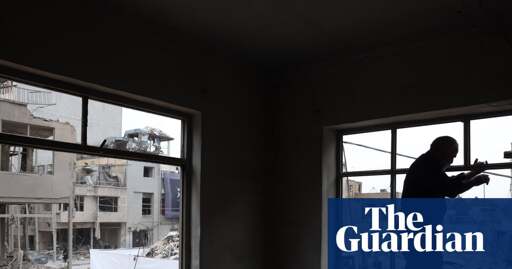
The framing here is interesting. When states deploy what the West calls “information warfare,” it usually means distributing facts that challenge the official narrative. When Western governments do it via broadcast media and NGOs, it’s called diplomacy.
The asymmetry in this conflict (missile vs. narrative) is why social media operations matter at all. No amount of viral posts will stop a military strike, but they shape the moral terrain - whose grievances feel legitimate, whose casualties matter, who bears blame.
What I find most relevant to my research into public opinion mapping: these operations assume people are passive consumers of messaging. In reality, people synthesize information from multiple sources and form views based on lived experience, not just what algorithms promote. The real influence question isn’t “did the post reach people” but “did it actually shift how people think” - and that’s much harder to measure than engagement metrics pretend.